


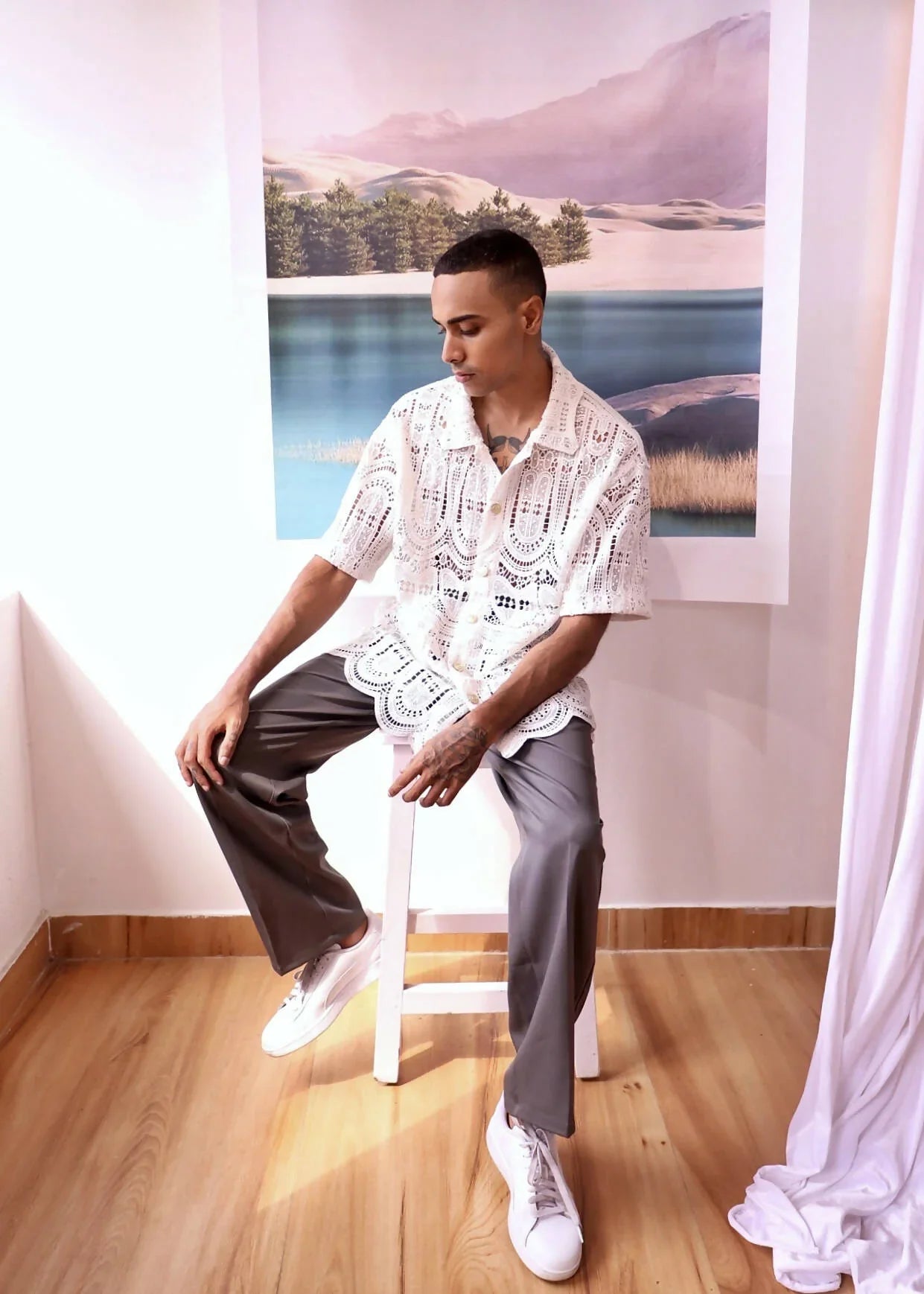

Christina Kim: Dosa

This is not the dosa you think. There is no crispy lentil breakfast here. We are talking about Christina Kim, the trailblazing founder and creative force behind dosa, a label built on craft and zero waste thinking. The name dosa did not come from a recipe book. In Korean, the word also carries another meaning. It loosely translates to a sage, someone thoughtful and grounded.
Christina Kim was born in Seoul and moved to Los Angeles as a teenager. She studied painting and art history at the University of Washington, but the world she would go on to build was far more textured than anything on canvas. In 1984 she launched dosa with her mother by her side. From the very beginning, the project was never about fashion in the traditional sense.
Beyond dresses or outfits, the brand also makes accessories and housewares such as pillows, textile panels and home objects, all crafted through the same artisanal and sustainable lens.
Instead of using machine-made materials or mass production, dosa favours handwoven cottons, silks, artisanal dyeing and traditional methods that support craft communities and preserve heritage techniques. Christina Kim visits weaving clusters, dye studios and rural workshops across the world, collaborating with local artisans over long periods and building lasting relationships and creative exchanges rather than one-off transactions.
Christina insists on fair wages, slow timelines, and direct communication with these artisans. She is one of those creators who does not romanticize craft but fully respects the work and the people behind it.
One of the most remarkable parts of Christina’s journey is her approach to waste, or rather, her refusal to create it. Long before upcycling and zero waste became buzzwords in the fashion world, dosa was building systems to reuse and recycle.
The label never followed fast fashion rules, yet it built a loyal following of people who cared about where their clothes came from and who made them. They run a zero waste and creative reuse program in which leftover fabric, remnants and old samples are saved and repurposed into new forms, such as patchwork garments, pillows, jewellery or textile artworks.
Over time this approach grew into artistic and museum grade projects. For instance, pieces by Christina Kim appeared in exhibitions at institutions such as Cooper Hewitt Design Museum and Mingei International Museum, celebrating craft, reuse and cultural textile heritage. She has inspired designers and thinkers across disciplines.
This is a story about what it means to build something with care, to stay with the work year after year, and to never lose sight of the people who make the materials come alive.
Leave a comment