


Asha Vettoor: Swara - Voice of Women

Feature image credit: Swara, Voice of Women/ Asha Vettoor
The story of Swara, an Indian fashion enterprise connecting rural women artisans with customers around the world.
What happens when women already have the skills to earn a living, but the opportunities aren't there?
That was the problem Asha Vettoor encountered in rural Rajasthan. Many women knew how to sew beautiful garments, but their talent rarely translated into a regular income.
In 2018, she started Swara, Voice of Women, where instead of expecting women to leave their villages to find work, she wanted to create a fashion business around the skills they already had?
Asha was working with government schools in Rajasthan, as part of the Gandhi Fellowship when she began noticing something about the women in the villages.
Many men travelled to nearby cities for employment, but women, meanwhile, stayed behind to manage their households and care for their families.
And many had received tailoring training through government programmes, but there were few opportunities to earn money from what they had learned.
Asha initially considered creating rural homestays to generate income but the investment required made her rethink the idea.
There were skilled tailors in the villages and growing demand for ethically made clothing in urban India. What if she connected the two? That idea later became Swara.
A Fashion Brand That Started With Just £100
Swara began with around £100, a few pieces of cloth and a couple of tailors.
Asha and the women created their first collection and put it on Instagram. According to Asha's interview with Oxford University's entrepreneurship hub, Swara received around 100 orders in its first month.
The money from those orders helped them produce more clothing and gradually expand the business.
So, What Does Swara Actually Make?
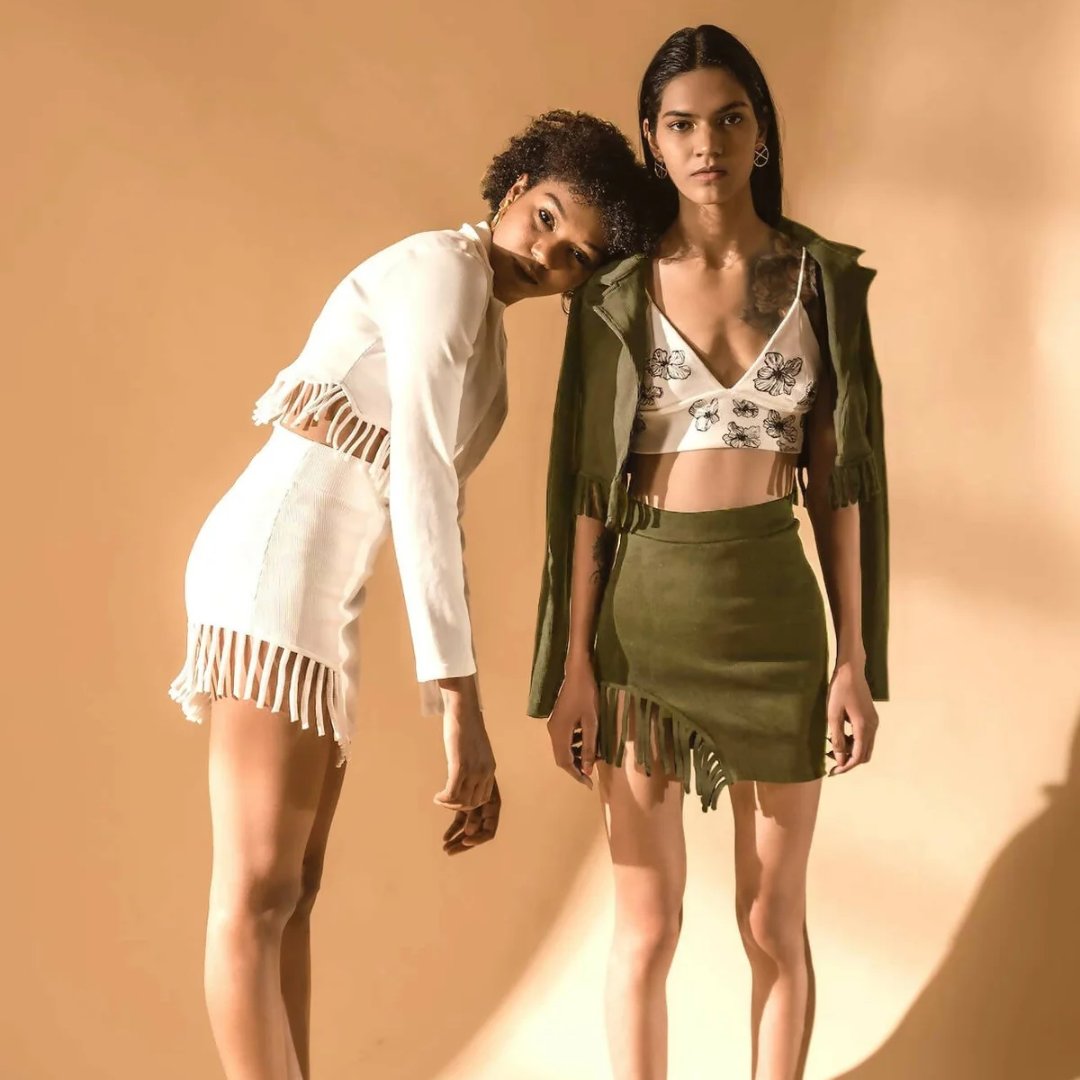
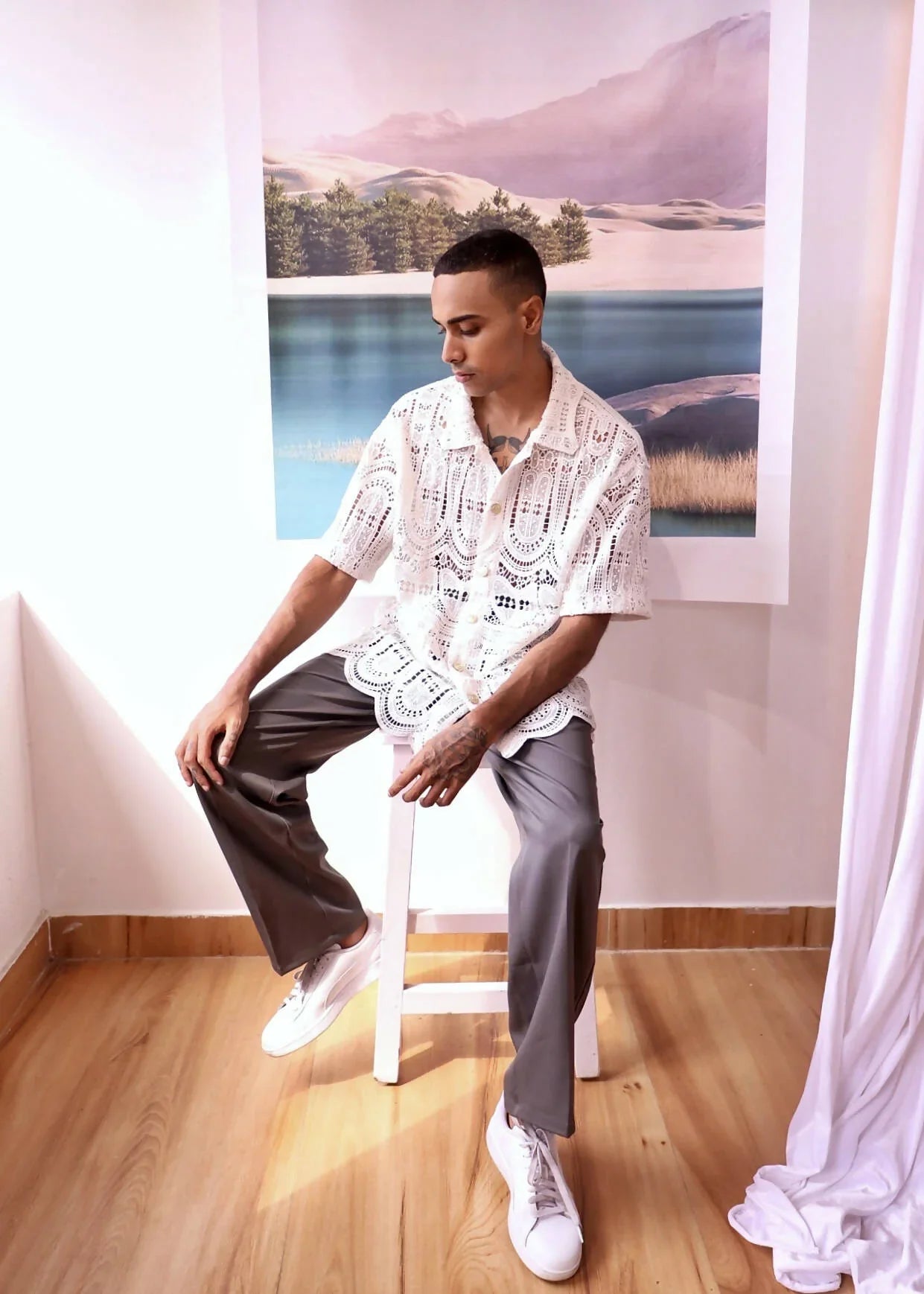
Swara produces sustainable clothing and accessories handcrafted by women artisans in India through its direct-to-consumer (D2C) fashion brand.
One of its amazing practices is working with Dabu printing artisans in Akola, Rajasthan. Dabu is a traditional mud-resist printing technique in which artisans apply a paste to fabric before dyeing it, creating patterns that emerge when the paste is removed.
The brand also focuses on fair compensation, flexible work arrangements and giving artisans opportunities to develop their creative skills.
Beyond fashion, Swara also works on tourism initiatives that create income opportunities for marginalised women, giving local communities more ways to benefit from their existing skills and knowledge.
One Tailor's Daughter Wanted to Become a Doctor
One of the most memorable moments in Asha's journey came during Swara's first year.
A woman working with her shared that she was sending her daughter for coaching to prepare for medical school entrance exams. The woman's experience earning through her own skills had changed what she believed was possible for her daughter.
This was exactly the kind of opportunity Asha had hoped to create when she started working with women in Rajasthan.
From Rajasthan to Kerala and Beyond
Swara eventually expanded its work to Kerala, where it now operates from Ettumanoor.
Asha has also taken her experience into education and community development through CraftHER.
The programme brings international university students to Kerala to work alongside women artisans and grassroots organisations.
Its 2026 edition brought six scholars to Kerala for six weeks, where they worked with four social-impact organisations, including Swara.
The experience allows students to learn directly from women led enterprises, while contributing their own ideas to the organisations they collaborate with.
Asha is still talking about the importance of recognising local tailors.
In a blog published on Swara's website in December 2025, she wrote about the tailoring units scattered across Ettumanoor, many operating from small rooms near homes or above local shops.
And these are people whose work rarely receives the recognition given to established fashion designers, despite their contribution to the clothing industry.
Leave a comment